Examining Soil Variations and Their Effects on Grape Development Across Austria's Eastern Wine Districts
Yves Brooks · Aug 26, 2026
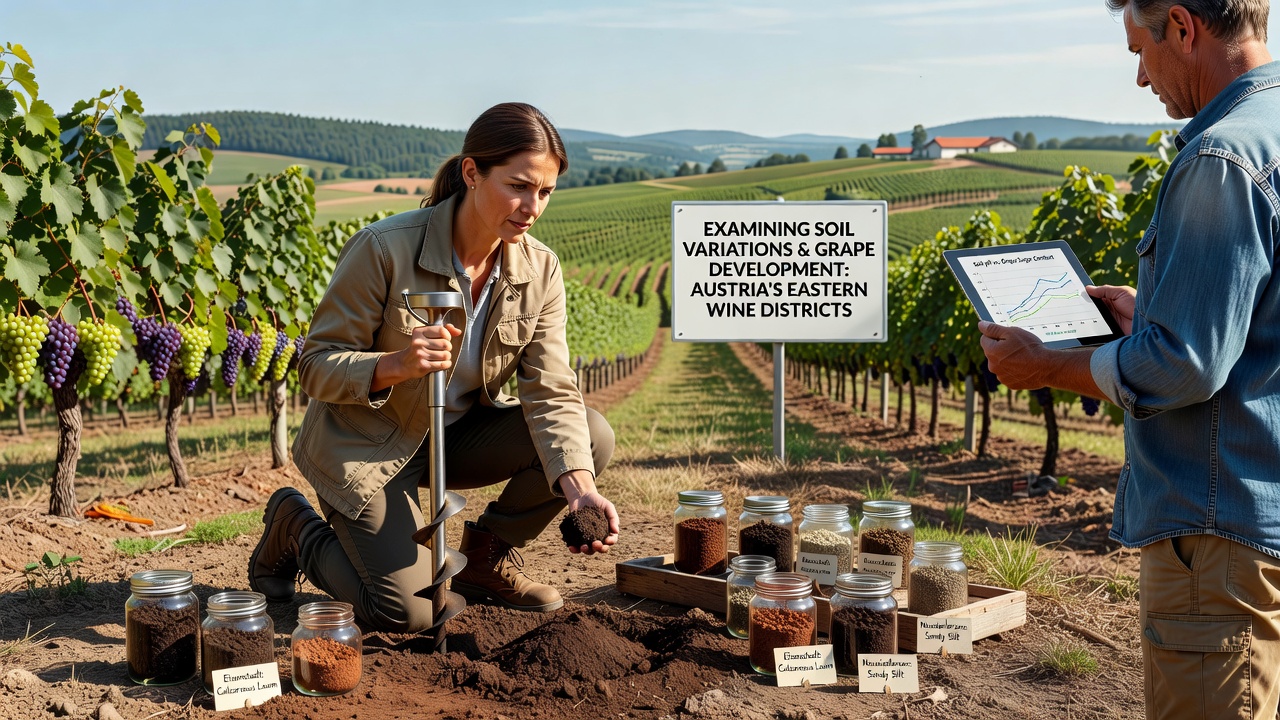
Examining Soil Variations and Their Effects on Grape Development Across Austria's Eastern Wine Districts
Soil composition plays a central role in shaping grape development across Austria's eastern wine districts, where variations in texture, mineral content, and drainage patterns influence vine growth cycles and berry maturation. Researchers have documented distinct soil profiles in regions such as Burgenland and parts of Niederösterreich that differ from the Danube-influenced areas studied elsewhere. These profiles affect nutrient uptake, water retention, and root penetration, which in turn determine harvest timing and grape chemistry for varieties including Zweigelt, Blaufränkisch, and St. Laurent.
Soil Profiles Across Eastern Districts
Eastern Austria features a mix of loess deposits, gravel terraces, and limestone outcrops that create micro-environments for viticulture. In northern Burgenland, sandy loam layers overlie deeper gravel beds, allowing rapid drainage after heavy rains while retaining enough moisture for consistent root activity during dry spells. Observers note that these conditions support earlier bud break in spring and steady sugar accumulation through summer months. Further south, clay-rich soils mixed with iron-rich sediments appear in sections of the Eisenberg area, where higher cation exchange capacity holds potassium and magnesium at levels that promote balanced acidity in ripening fruit.
Data from regional surveys indicate that pH values range from 6.8 in loess-dominated parcels to 7.5 in limestone zones, altering nutrient availability and microbial activity around vine roots. Studies conducted by institutions such as the University of Natural Resources and Life Sciences in Vienna have tracked how these differences translate into measurable variations in leaf area index and cluster weight across adjacent vineyards. One study revealed that vines planted in gravel-heavy plots reached veraison approximately five days earlier than those in heavier clay soils during comparable growing seasons.
Nutrient Dynamics and Root System Responses
Soil texture directly influences how grapevines allocate resources during critical growth phases. Coarse gravel and sand fractions encourage deeper rooting, which helps vines access subsoil water reserves when surface layers dry out. In contrast, finer loess and silt particles provide higher water-holding capacity, reducing the need for supplemental irrigation yet increasing the risk of compaction if machinery traffic occurs during wet periods. Researchers have measured root biomass increases of up to 30 percent in gravel sites compared with clay-loam counterparts under similar rainfall totals.
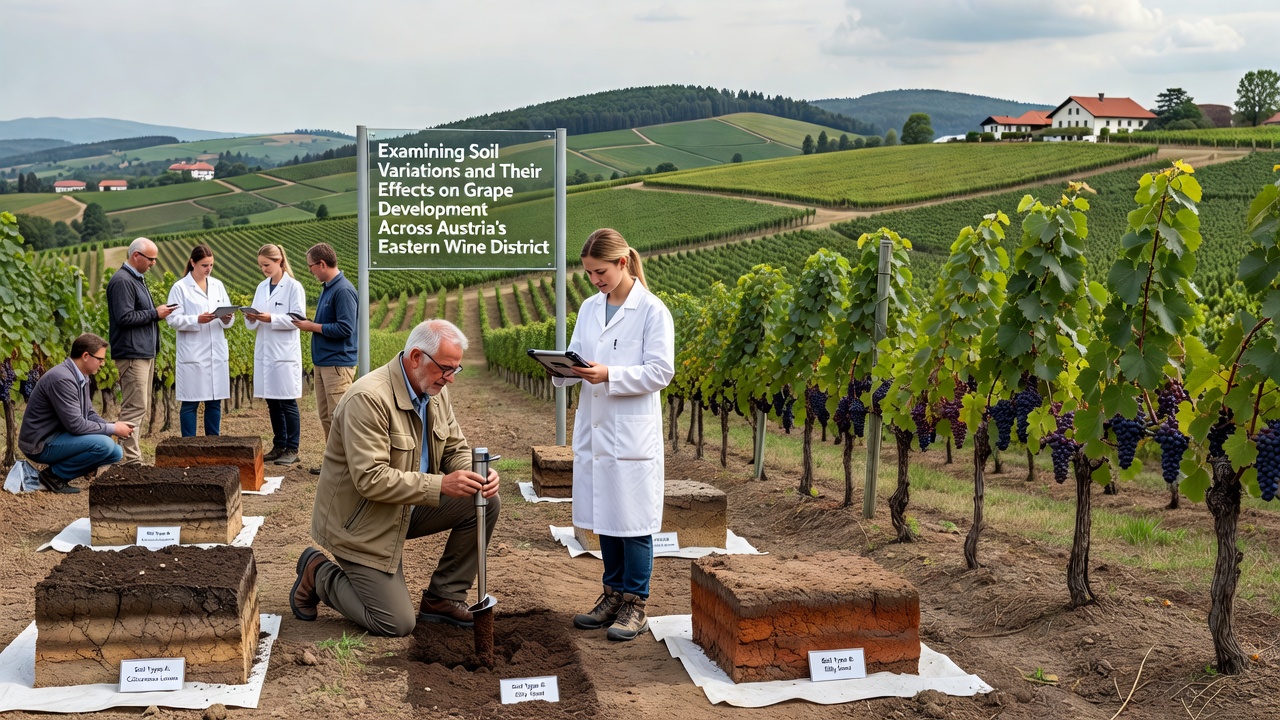
Mineral availability also shifts with parent material. Limestone-derived soils supply calcium that strengthens cell walls in developing berries, while iron-rich zones contribute to phenolic compound synthesis during late-stage ripening. According to figures released by the International Organisation of Vine and Wine, potassium levels above 200 mg/kg in eastern Austrian topsoils correlate with elevated must pH at harvest, prompting adjustments in canopy management to moderate leaf exposure. These patterns hold across multiple vintages and demonstrate consistent links between soil chemistry and juice composition.
Seasonal Monitoring and 2026 Research Updates
Monitoring programs track soil moisture and temperature at multiple depths throughout the growing season. Sensors installed in test plots across the eastern districts record daily fluctuations that researchers correlate with phenological stages recorded in vineyard logs. In August 2026, updated soil mapping data from collaborative projects between Austrian federal agencies and university teams will become available, providing higher-resolution layers for nutrient distribution and drainage class across Burgenland and adjacent districts. These maps build on earlier surveys and incorporate satellite-derived vegetation indices to refine predictions of vine performance under varying weather scenarios.
Long-term trials have shown that cover crop selection interacts with soil type to modify nitrogen availability. Legume mixtures on sandy sites fix nitrogen at rates that support moderate vegetative growth without excessive vigor, whereas grass covers on clay soils help reduce compaction and improve structure over successive seasons. Data collected over five-year periods indicate that such practices stabilize yields while maintaining target acidity ranges in harvested fruit.
Conclusion
Soil variations across Austria's eastern wine districts create measurable differences in grape development through their effects on water, nutrients, and root environments. Continued collection of field data, including the forthcoming 2026 mapping releases, supplies growers and researchers with tools to match varieties and management practices to specific site conditions. These records support consistent production outcomes across diverse terroirs while preserving the distinct chemical signatures that soils impart to the fruit.